I’ll be honest: the first time I saw a Launch Pad in LEGO Fortnite Odyssey, I treated it like a fancy trampoline and immediately fired myself into a nearby cliff. I’m an ordinary player, not a speedrunner, so I’ve learned to appreciate the Launch Pad for what it really is: a traversal toy that rewards a little preparation. In 2026, if you’re jumping back into Odyssey or starting fresh, here’s how I get a Launch Pad, what it costs, and how I use it without turning my character into a minifigure-shaped meteor.
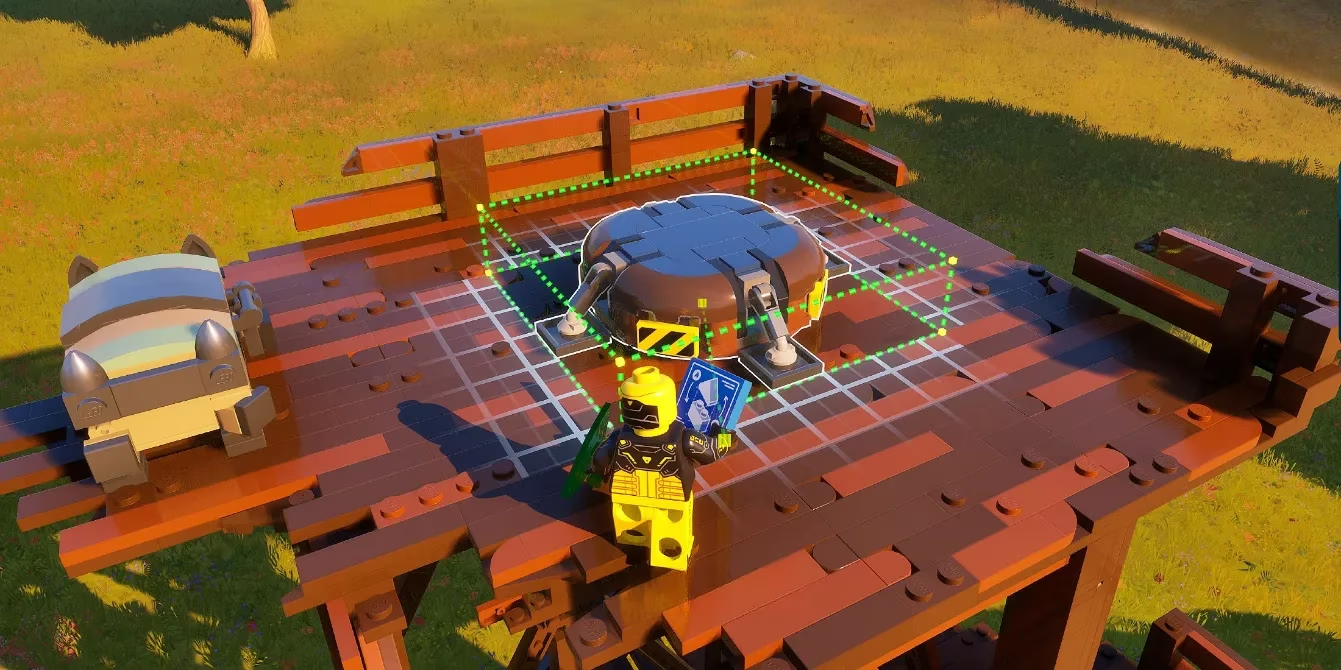
What the Launch Pad actually does 🚀
If you’ve played Battle Royale, you already know the basic idea: jump on it, go up. In LEGO Fortnite Odyssey, though, the Launch Pad has its own personality. It launches you into the air, but you need to deploy your Glider manually while you’re up there. That one detail changes everything. It’s less a catapult and more a tuning fork for your glider route—you strike it, and the right arc hums into view.
The good news is that using a Launch Pad normally means no fall damage when you land. The catch is important: if you deploy your Glider first and then fall from a substantial height without it, you can still take damage. So I treat every launch like a tiny flight plan, not a blind leap. The Launch Pad also lets you interact with it to alter its force. That means you can tune how high it throws you. I love this because it turns one device into several tools: a short hop for a rooftop, a medium boost for a canyon, or a big launch for a long glide.
The stations and materials I need 🛠️
Before I can build a Launch Pad, I need two key stations: a Metal Smelter and a Loom. I also need to spend some time in the Dry Valley biome. The recipe itself is not huge, but each piece has a little journey attached to it.
| Resource | Quantity | How I get it |
|---|---|---|
| Flexwood | 8 | Harvest from cacti in the Dry Valley biome or plants in the Jungle biome |
| Copper Bars | 4 | Craft with a Metal Smelter using Copper |
| Silk Fabric | 1 | Craft with a Loom using 5 Silk Threads |
Once I have those materials, I can place a Launch Pad through the Build Menu in a suitable spot. There’s also a shortcut I use when I’m feeling lazy: find a pre-existing Launch Pad in the world, harvest it for materials, and rebuild it somewhere more convenient. Just don’t harvest the one you’re standing on unless you really mean it. 😅
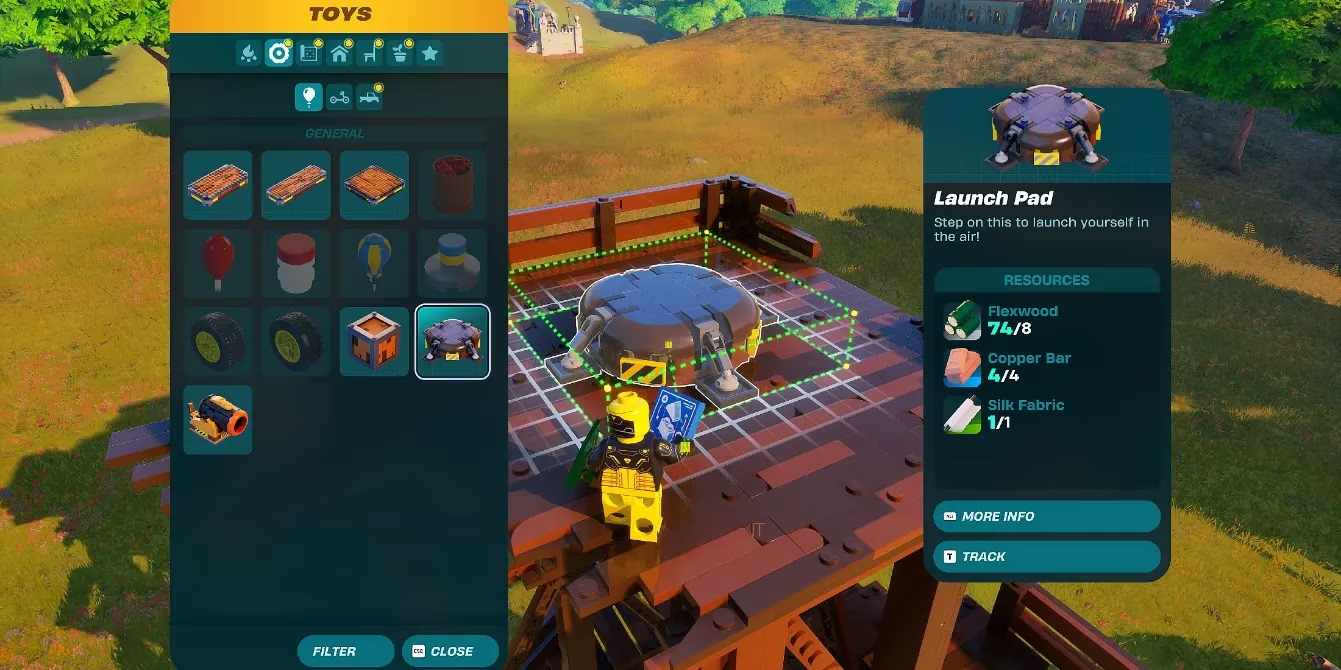
My step-by-step routine ✅
-
Set up a Metal Smelter and a Loom if I don’t already have them.
-
Head into the Dry Valley biome and gather Flexwood from cacti. If I’m near the Jungle, plants there can help too.
-
Smelt Copper into 4 Copper Bars.
-
Turn 5 Silk Threads into 1 Silk Fabric at the Loom.
-
Open the Build Menu and place the Launch Pad somewhere useful.
-
Interact with it to adjust the force before I trust it with a long glide.
-
Jump on, deploy the Glider manually, and enjoy the view.
How I actually use it 🌄
The biggest use is height. I place Launch Pads near cliffs, village edges, or open stretches where I want to cross distance with a Glider. A Launch Pad is like a bookmark in a wind tunnel—it marks the spot where a boring walk becomes a fun route. I also like placing one near my Village so I can quickly scout around or reach a high ledge without stacking a dozen stairs. With a bit of creativity, you can use it for rooftop access, dramatic entrances, or just a faster way to get your bearings.
My main tip is to test the force setting in a safe area first. A Launch Pad is like a volume knob on a song you’re about to sing into a canyon: too low and it’s pointless, too high and you’d better know the chorus. I also keep the fall-damage caveat in mind. The Launch Pad is forgiving, but it is not a babysitter. If I deploy my Glider too early and then drop from a serious height without it, that’s on me.
For me, the Launch Pad is one of those Odyssey builds that looks simple and then quietly changes how I move through the world. It’s a small recipe, a short crafting chain, and a whole lot of fun once you tune it to your liking. In 2026, it’s still one of my favorite reasons to keep an eye out for cacti, copper, and a good cliff.