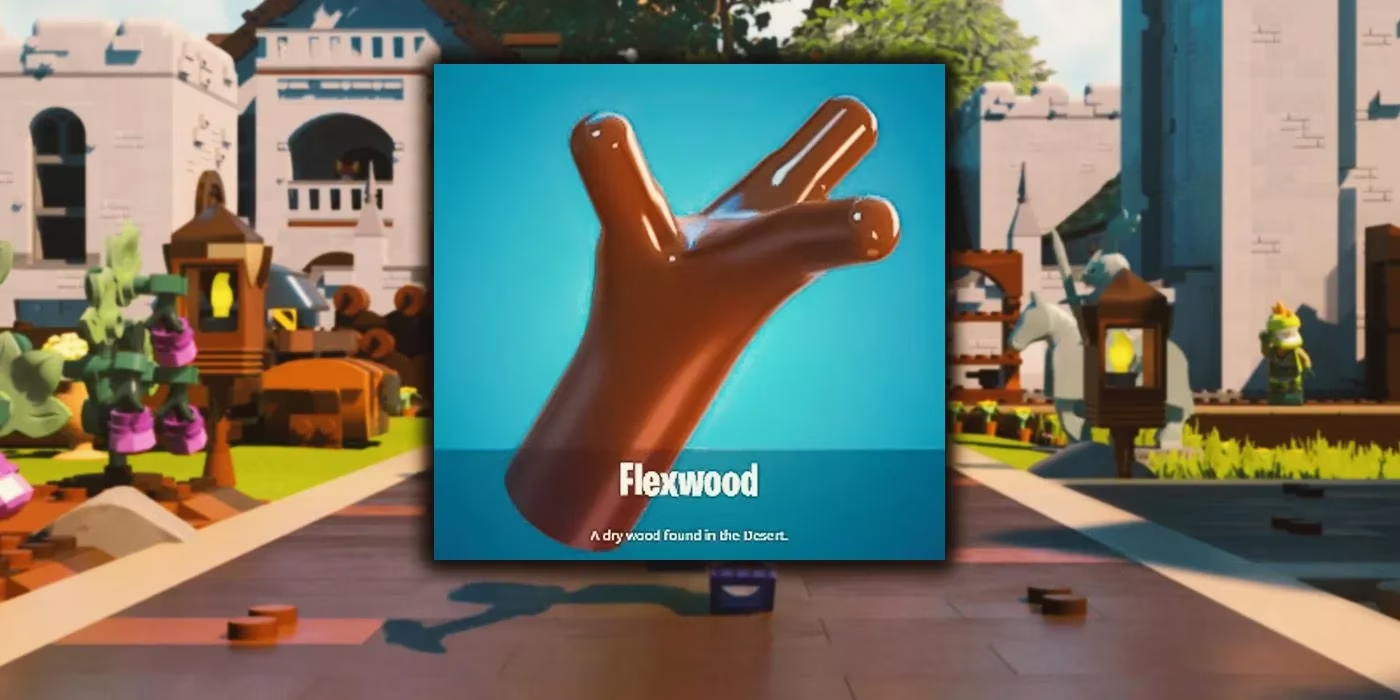
Flexwood looks like a wood problem, but in LEGO Fortnite it is a desert problem. Players who need wheels, looms, or the Glider eventually run into this resource, and the game does not hand it over in the first hour. The material comes from cacti in the Dry Valley, not from ordinary trees, and harvesting it requires a specific tool chain. As of 2026, the core route remains a familiar loop: upgrade the Crafting Bench, craft a Rare Forest Axe, cut cacti, then process the harvest at a Lumber Mill. The details matter, though, because every step feeds the next.
Why Flexwood Matters
Flexwood is not just another stackable material. It is a gateway resource. Players need it to craft items such as wheels and looms, and they need Flexwood Rods for later village upgrades. The headline recipe is the Glider, one of the most important tools in the entire game. A Glider changes how a player moves through the world, letting them leap from high peaks and cross wide gaps instead of walking every route. That alone makes a Flexwood run worth the trouble.
A Lumber Mill is the partner building for this resource. The Lumber Mill turns different kinds of wood, including Knotroot and Flexwood, into Rods that feed more recipes. The more a player upgrades their village, the more Rods they can make. That makes Flexwood and Flexwood Rods part of a larger progression loop, not a one-time chore. Players who ignore the material will eventually hit a wall when village upgrades and late-game recipes ask for it.
Finding the Dry Valley
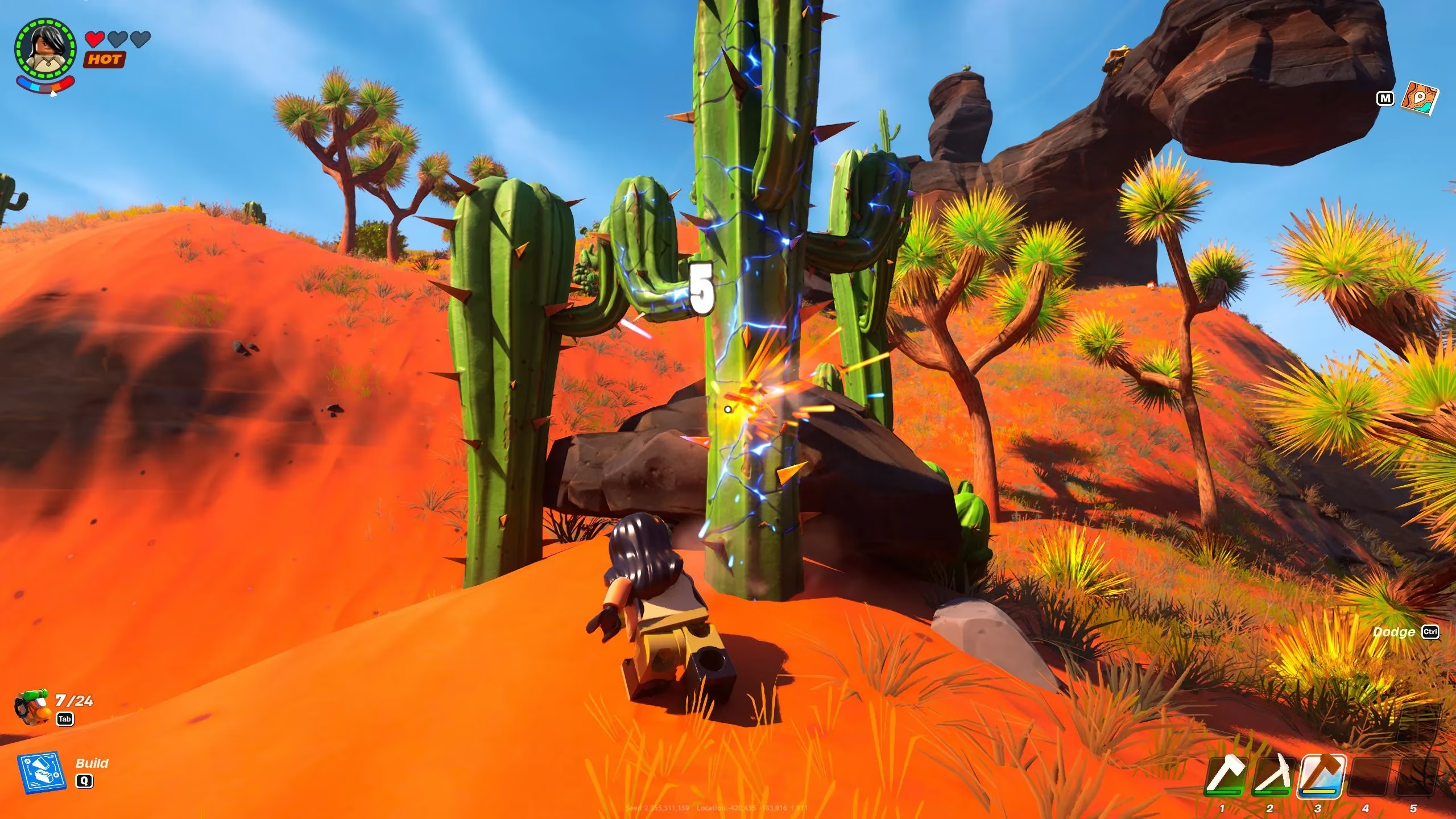
The name is misleading. Flexwood does not come from a tree. It comes from cacti growing in the Dry Valley, also known as the desert biome. The Dry Valley changes location in each playthrough, so players need to explore before they can settle into a reliable harvest route. Once they find the biome, the cacti are easy to spot, but they are not easy to cut. Cacti can only be chopped down by a Rare Forest Axe crafted from a twice-upgraded Crafting Bench.
The Tool Chain and Exact Costs
The Crafting Bench upgrades are the real gate. The first upgrade asks for 8 Planks and 3 Shells. Planks come from Wood processed at the Lumber Mill, while Shells drop from rolling crabs that wander the Grasslands. The second upgrade asks for 12 Knotroot Rods, 15 Marble Slabs, 6 Sand Claws, and 3 Sand Shells. Knotroot Rods are made with the Lumber Mill. Marble Slabs come from a Stone Breaker after mining Marble. Sand Claws and Sand Shells are enemy drops from Sand Wolves and Sand Rollers in the Dry Valley.
| Step | What Players Need |
|---|---|
| First Crafting Bench upgrade | 8 Planks and 3 Shells |
| Second Crafting Bench upgrade | 12 Knotroot Rods, 15 Marble Slabs, 6 Sand Claws, and 3 Sand Shells |
| Rare Forest Axe | 5 Cut Amber and 3 Knotroot Rods |
After the Crafting Bench is upgraded, the Rare Forest Axe itself needs 5 Cut Amber and 3 Knotroot Rods. Players can mine Rough Amber from amber deposits in the Dry Valley, then process it in a Gem Cutter to turn it into Cut Amber. That extra step is easy to forget. A player who arrives with Rough Amber and no Gem Cutter is still not ready to craft the axe. 🪓
The Practical Quick-Harvest Trick
The closest thing to a quick-harvest trick is preparation. A player should not treat the Dry Valley like a casual walk. They should bring the Rare Forest Axe, clear several cacti in one run, and keep enough inventory space for the harvest. If possible, they should process Flexwood into Rods at a Lumber Mill before leaving the area or before the next village upgrade push. That turns a raw material into a recipe-ready resource and saves a second trip later.
The route also benefits from planning. Players should note where the Dry Valley sits relative to their village, bring food and a weapon, and avoid wandering into every fight. Sand Wolves and Sand Rollers are useful for Sand Claws and Sand Shells, but they are not the main goal once the axe is ready. The main goal is cacti. A focused run is faster than a scenic tour. 🌵
Recipes and Late-Game Value
Flexwood and Flexwood Rods appear in a variety of recipes and upgrades. The Glider is the standout, but players also need the material for wheels, looms, late-game village upgrades, and decorative items. That spread matters because it keeps Flexwood relevant after the first Glider is built. A village that wants to be the best it can be will keep asking for Flexwood.
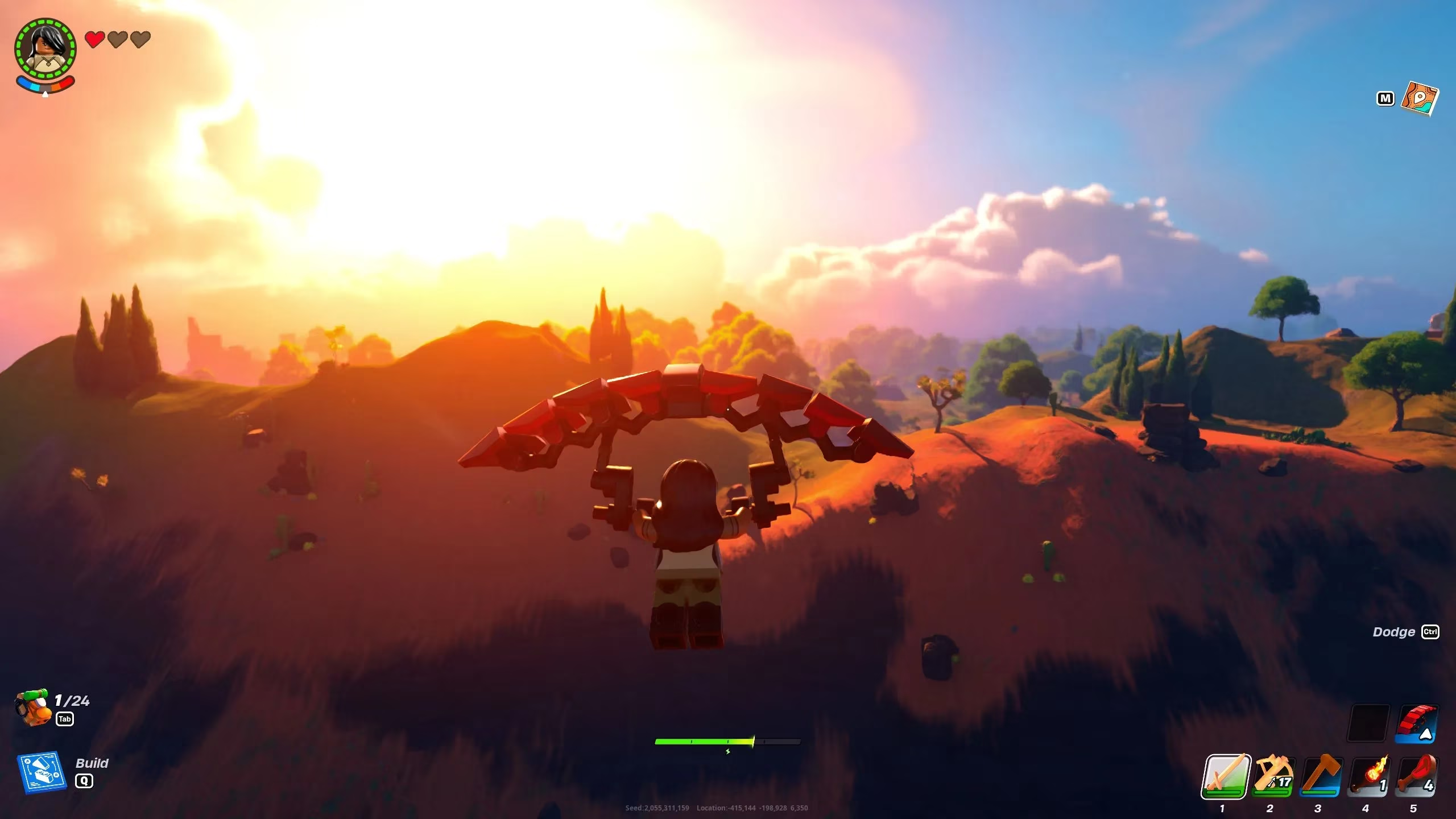
In 2026, the lesson is still simple. Flexwood is not hard because cacti are rare. It is hard because the tool chain is long. Players who build the Lumber Mill, upgrade the Crafting Bench, craft the Rare Forest Axe, and plan a focused Dry Valley run will have a steady supply. That supply opens up the Glider, village upgrades, and the later recipes that make a LEGO Fortnite world easier to cross and more satisfying to build. 🪂