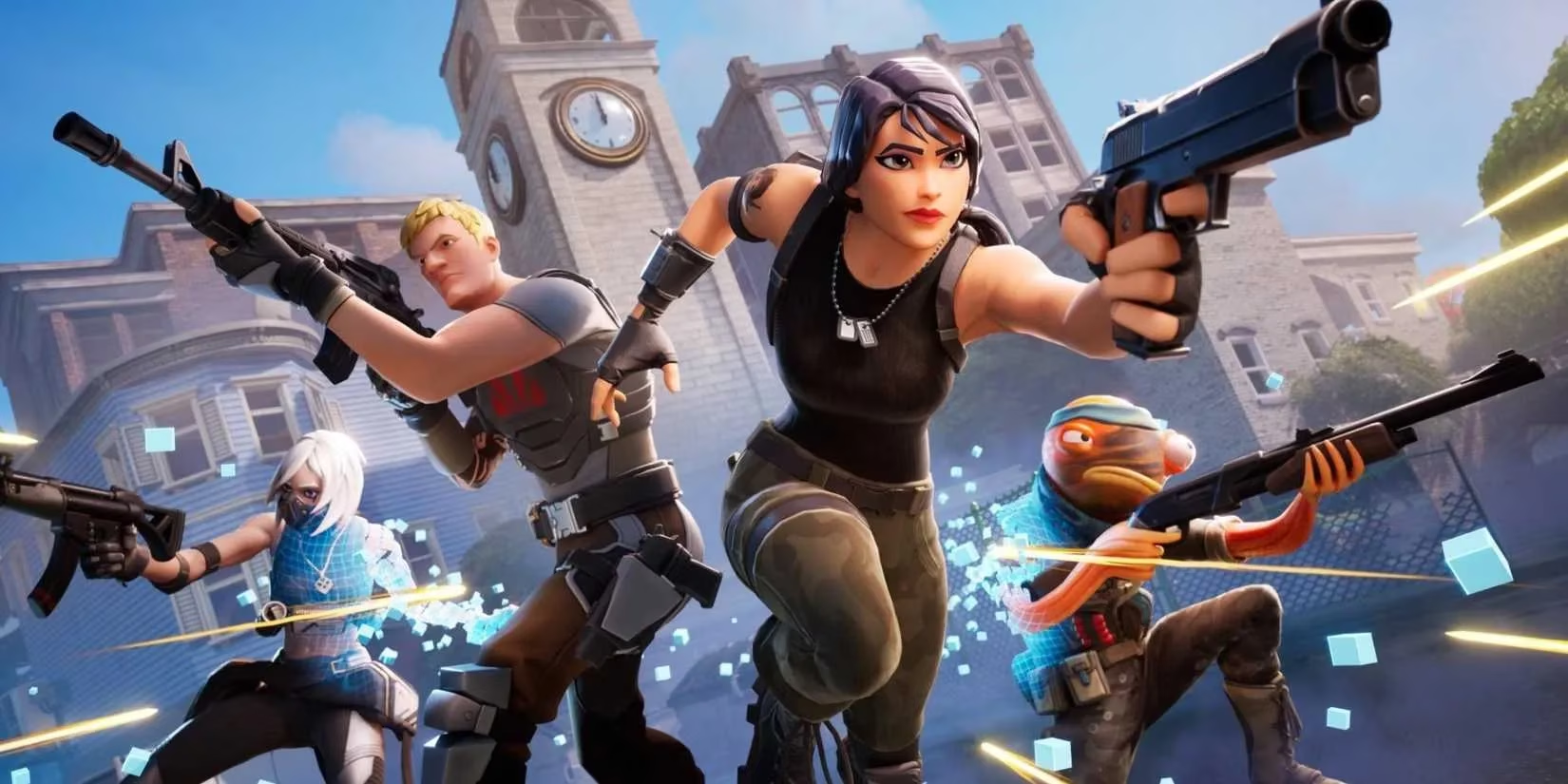
Yo, what's up everyone! As a long-time Fortnite sweat, I gotta say, 2026 has already given us one of the biggest Ws in gaming history. After what felt like an eternity—five whole years, to be exact—Fortnite is finally, officially back on iPhones and iPads through the App Store. It's like watching your favorite TV show get cancelled on a massive cliffhanger, only for it to get revived years later with an even bigger budget and all the original cast. The digital prodigal son has returned home.
This whole saga started back in 2020, and honestly, it got so convoluted that I bet half the player base forgot what they were even fighting about. It wasn't about gameplay or graphics; it was all about the Benjamins—specifically, how Apple and Google take their cut. Epic Games, the madlads they are, decided to poke the bear by offering players a discount on V-Bucks if they paid directly through Epic's own system, completely sidestepping Apple's payment gateway. Apple's reaction was about as swift and severe as a Thanos snap—Fortnite was yeeted off the App Store faster than you can say "Victory Royale."
What followed was a legal battle of mythical proportions. Epic sued, claiming Apple's walled garden and its 30% cut was an unfair monopoly. Apple fought back. It was like watching two kaiju tear through a city, with us players just watching from the sidelines, hoping our favorite game would survive. Epic even ran that wild "Nineteen Eighty-Fortnite" event, basically painting Apple as Big Brother from 1984. The drama was more intense than the final circle in a Solos match.
The Courtroom Victory & The Final Hurdle
After years of legal briefs flying back and forth, the courts finally handed Epic a major victory. But did Apple just roll out the red carpet? Nah. The return was delayed, with Apple seemingly moving at the speed of a default skin trying to build for the first time. It took an extra week of what looked like intentional foot-dragging before the green light was given. Tim Sweeney, Epic's CEO, finally posted the legendary "we back fam" on socials, and the community collectively lost its mind.
So, what does this mean for us in 2026?
-
Universal Player Reunion: No more platform segregation! iOS players can finally squad up seamlessly with their PC, console, and Android friends again. The player base just got a massive, healthy injection.
-
A New Era of Events: Knowing Epic, they won't let this moment pass quietly. I'm fully expecting a "Return to iOS" themed season or event. Think about it: new cosmetics, maybe a back bling that's a shattered Apple logo, emotes celebrating the victory. It's gonna be meta.
-
The Payment Paradigm Shift: This case changed the game for all app developers. While the specific rulings are complex, the pressure is on platform holders to offer more payment flexibility. This win wasn't just for Epic; it was for the little guys too.
For me, an OG player who remembers the Before Times, this feels incredibly cathartic. Watching Apple users finally get to download the game again and crank those 90s (or whatever the equivalent sweat-building technique is in 2026) is a beautiful thing. The gaming landscape in 2026 is all about openness and connectivity, and this feels like a huge step in that direction. The five-year war is over. Now, let's just hope the servers can handle the influx. See you on the Battle Bus! 🚌✨
This assessment draws from GamesIndustry.biz, emphasizing how Fortnite’s iOS return isn’t just a player win but a platform-economics inflection point: once a blockbuster like Epic can re-enter after a payment-policy showdown, it signals to publishers and developers that distribution leverage, fee structures, and store compliance are now strategic battlegrounds—potentially influencing how future live-service games plan monetization options, negotiate storefront terms, and time major updates around regulatory and legal shifts.